
Inspired by a true story. Some characters, situations, dialogue, and chronology have been reimagined or combined for narrative purposes.
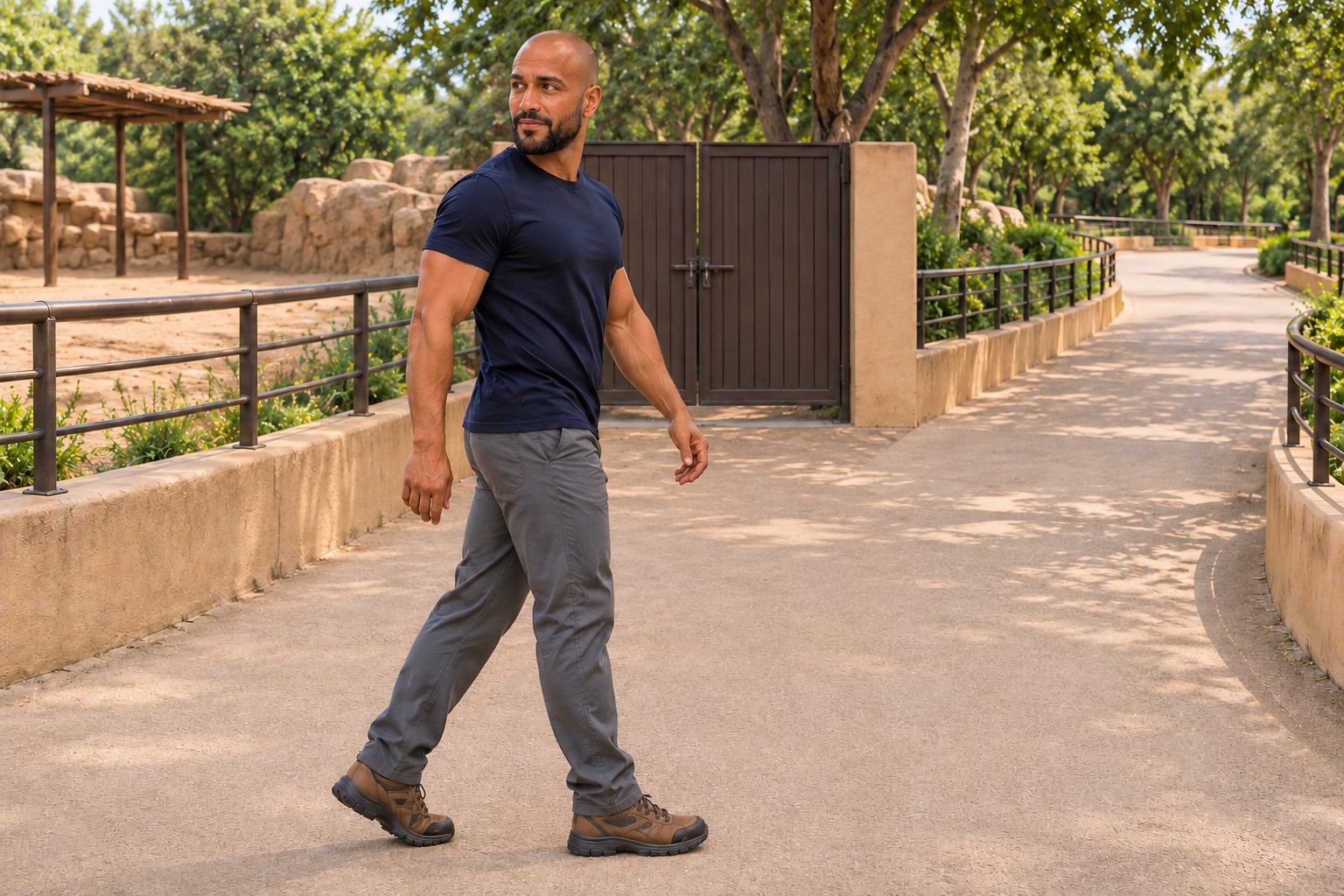
The worker closed the gate a few steps before Ahmad reached it. Ahmad had not entered the narrow section of path, but his eyes had already chosen it.
He was visiting a zoo alone for a short while and stood at a fork in the designated public visitor path. Beyond the barrier, a camel stood in an open area.
He had seen the animal at a distance before hearing the gate move. He expected to follow the nearer path, pause before the enclosure, then continue toward the exit.
The worker, an adult man directing visitors on that side, said, “We’re closing this section for a little while for routine care. Please use the open path.”
The worker did not explain what would happen beyond the gate, and Ahmad did not ask. He stopped in the last wide space, keeping his feet on the visitor side.
Ahmad wore a navy cotton shirt and gray trousers. The warmth of walking remained across his back, while his palms cooled a little as he let them hang by his sides.
From where he stood, he could see the whole camel. But the spot where he had wanted to stand was now beyond the gate, and the way to it was no longer open.
Ahmad looked at the other path. It was wider at its entrance, then curved beside a low wall, hiding its end from his present position.
“Which open route can I use?” Ahmad asked the worker, gesturing with a lowered hand toward the fork rather than the section just closed before him.
“The one on the left is open to its end. You come back this way when you’re done,” the worker replied, stepping aside to leave the path entrance clear.
“This way, all right,” Ahmad said. He almost asked whether its end would bring him closer to the camel, but another visitor reached the fork, and he made room before speaking.
He heard the visitor ask the worker for the exit. The worker indicated the wider route behind Ahmad, and the man continued that way without stopping at the gate.
“Apparently I’m the only one who chooses a route before knowing where it ends,” Ahmad told the worker with a smile. The worker smiled briefly and remained beside the gate.
Ahmad entered the open path. After the first curve, the wall hid part of the enclosure, but the way before his feet remained level and clear.
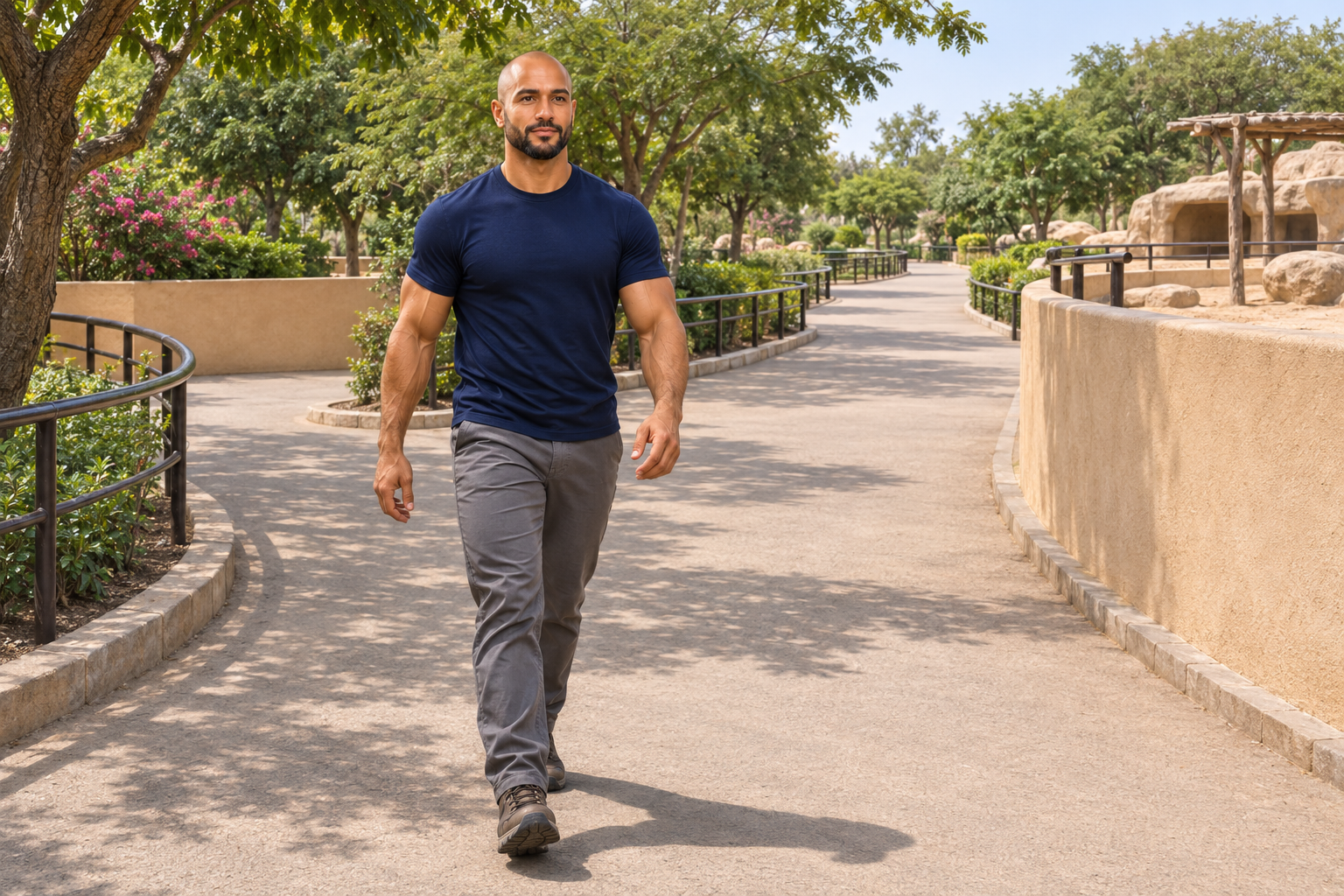
Nobody was leading him, and the worker had not promised a better viewing spot. Even so, Ahmad began hurrying a little toward the end of the curve.
Each time he thought he had reached the end, another short stretch appeared. He continued because he wanted to see for himself how far the permitted path would take him.
At the end, the ground widened enough for him to stand clear of the walking space. The path stopped at a fixed barrier before the corner he had expected.
He found no further open path beyond the barrier. He could see the side of the enclosure, but not the nearer spot he had pictured at the beginning.
Ahmad stood at the edge of the space and looked back over the ground he had covered. It had taken more than the brief stop he had wanted, without giving him that stop.
“I really did reach the end. Just not the one in my head,” Ahmad told himself, letting out a small laugh and taking a breath before turning.
He did not try to peer over the barrier. Staying in the permitted space, he looked through the last ordinary opening toward the enclosure, then returned to the same path.
On the return, he recognized the curve he had hurried past earlier. Seeing it from the other direction, he understood why the barrier's edge had not been visible as he approached.
He reached the fork and found the gate still closed. The worker stood beside it, keeping the space used by passing visitors clear.
Ahmad slowed at the edge of the fork, rather than in front of the gate. The wide exit route lay ahead, with the path he had just retraced to one side.
He looked at the worker, then the enclosure beyond. He could remain waiting on the permitted side, but did not know when the closure would end.
“Is this the way back to the exit?” Ahmad asked, pointing to the wide path the other visitor had used, as though wanting to make this choice aloud.
“Yes, continue this way,” the worker said. He did not open the gate or add a promise about when Ahmad might return to the closed section.
Ahmad nodded. “Thank you,” he said, turning his feet toward the exit route. His shoulders followed a moment later, his face having lingered toward the enclosure.
He stepped onto the open path, leaving room before the worker for arriving visitors. He did not return to the curve ending at the barrier or stand counting the gate’s time.
After a few steps, the sounds of the man and gate grew fainter behind him. The path remained open beside him, and part of the enclosure stayed visible without his moving closer.
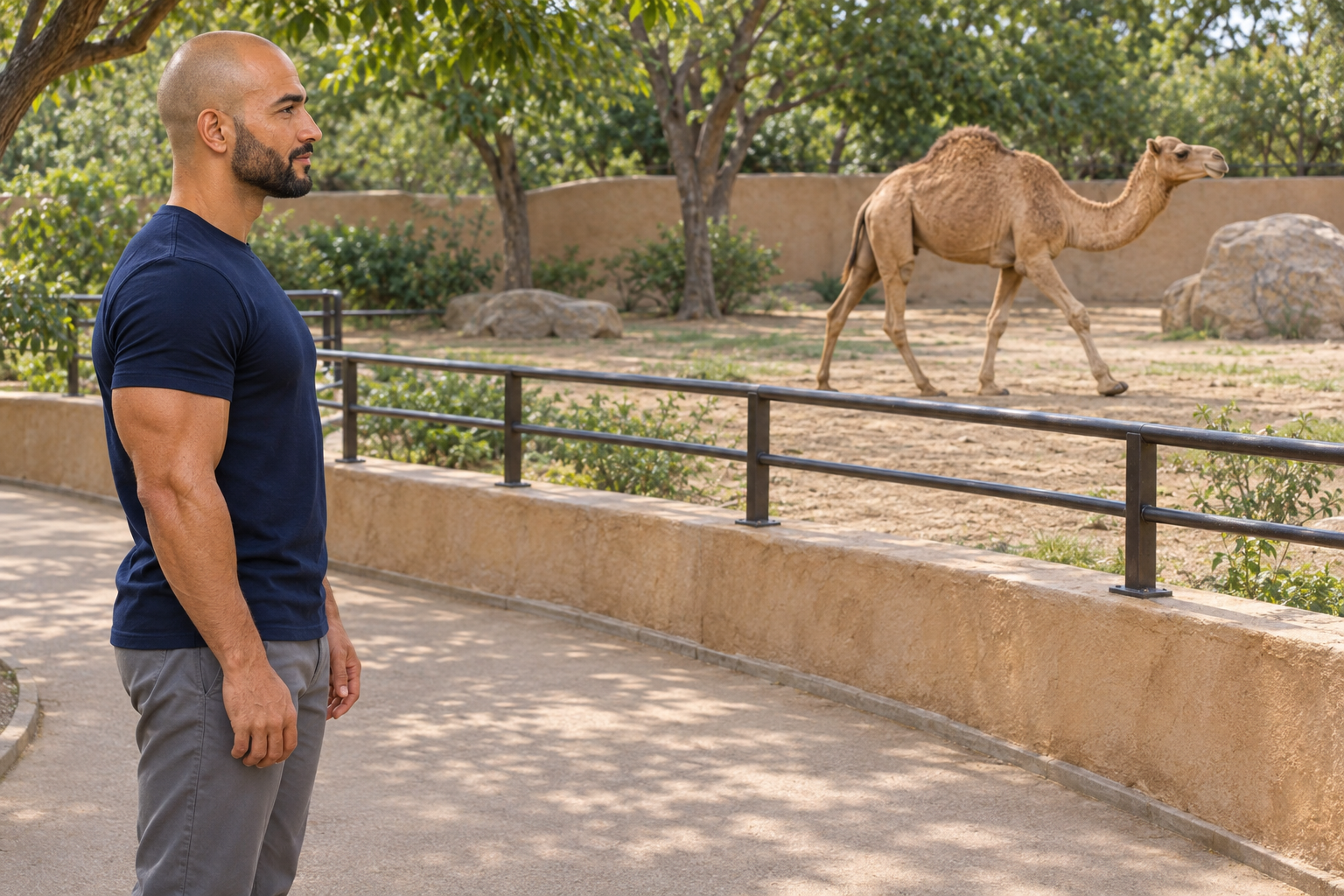
At a small widening on the edge, he noticed the camel moving from the open area to the other side. The animal was visible from where he stood, continuing its way away from the visitor side.
Ahmad paused briefly clear of the middle of the path. With his hands by his sides, he watched the animal move its weight forward and follow with quiet steps.
He heard footsteps approaching along the path and moved a little toward the exit instead of prolonging his stop at the widening. Nobody needed to make a place for him.
“Excuse me,” the passing visitor said.
“Go ahead,” Ahmad replied. The man continued along the open route while Ahmad stayed on his own side of the path.
When Ahmad looked back toward the enclosure, the camel had completed its steps to the other side. He saw it from where he stood, then lifted his gaze to the way ahead.
It was not the spot he had planned, and he did not try to turn it into a new appointment. He continued walking, his shoes remaining within the public path.
Behind him, he heard the worker ask a brief question of a visitor arriving at the fork. He could not make out every word and did not turn to listen.
The way ahead was wider than the outbound path. Ahmad took the nearer side, leaving the center for people moving in either direction, without hurrying to catch anything.
At the exit bend, he saw the fork once more from the side. The gate looked no different from this angle, except that his route no longer led toward it.
Ahmad raised a hand to the worker at a distance. The man returned a brief gesture before turning to the next arrival. Ahmad kept the greeting small and took another step.
The last part of the enclosure appeared between the wall edge and gate. The camel remained on its own side of the barrier, receding from Ahmad's view with each step toward the bend.
Ahmad lowered his hand. He rounded the bend, leaving behind the sound of people passing through the fork and the gate still closed in the same place.